Quinn Günther · 2 September 2026
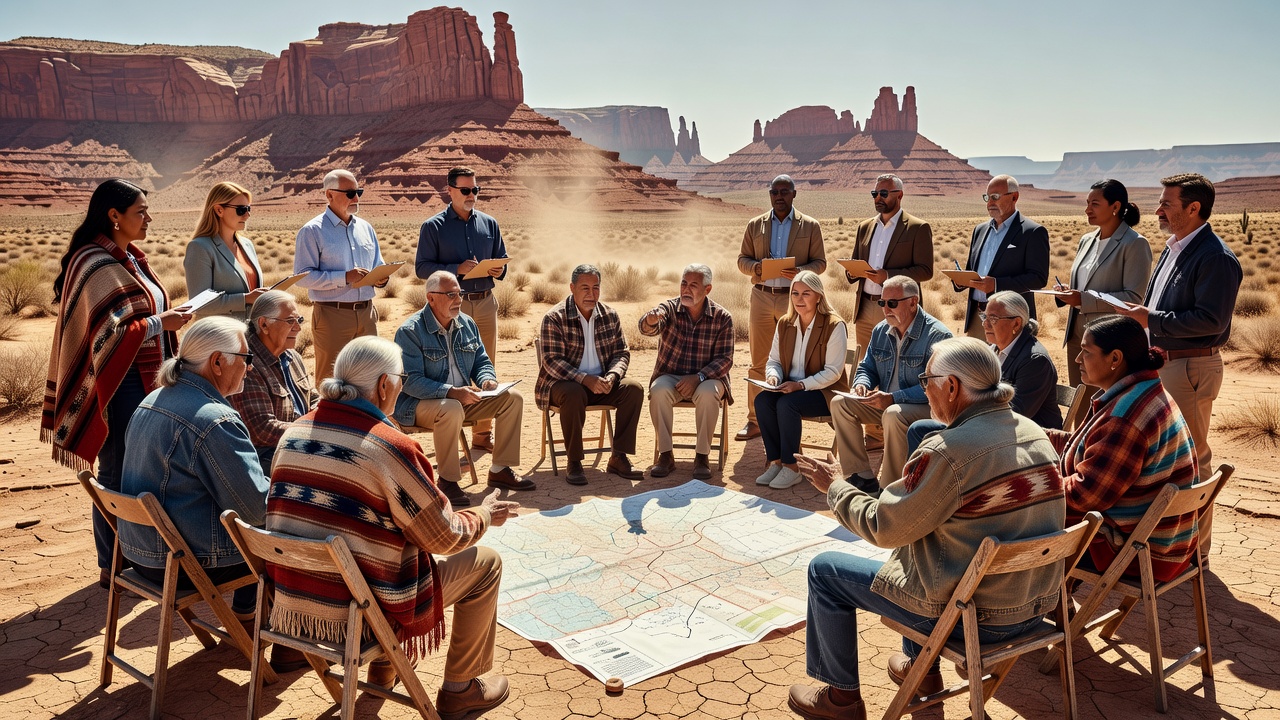
Indigenous communities in the Mesa region have significantly influenced recent land policy decisions, emphasizing cultural heritage and environmental stewardship. City planners integrated feedback from tribal elders into new regulations governing development projects. These efforts aim to address historical oversights while promoting sustainable growth across diverse landscapes.
Collaborative Policy Development Process
The process began with multiple town halls where indigenous voices highlighted concerns over land dispossession. Policies now require environmental impact assessments incorporating traditional ecological knowledge. This balances economic growth with protection of sacred sites. Mesa Planning Department reports show over 15 consultations leading to zoning amendments restricting construction near culturally significant areas. Experts note a shift toward inclusive governance, with leaders praising the precedent for other areas. Data indicates a 30 percent increase in protected lands. Developers have raised concerns about approval delays but acknowledge the benefits of community buy-in.
Additional measures include training for planners on indigenous perspectives and partnerships with tribal organizations for ongoing monitoring. These steps ensure policies evolve with community needs rather than static frameworks.
Long-Term Implications for Mesa's Landscape
Future policies are expected to enhance community engagement in land decisions. Educational programs will teach residents about indigenous sustainability views. Eco-tourism initiatives respecting cultural boundaries could boost the local economy. Overall, this collaboration highlights the value of diverse input in building resilient urban environments. Funding supports compliance monitoring, allowing continued indigenous guidance on developments. The approach fosters equity and preserves Mesa's unique heritage for generations.